By Andrew Lord
18 April 2022
Joachim Streich, the all-time top scorer for East Germany, has died aged 71. He passed away in his home near Magdeburg following a long illness.
He was the first player to reach 100 caps for the German Democratic Republic, scoring 55 goals in 102 appearances. In the Oberliga, the first division in East Germany, he scored 229 goals in 378 games and was known as the “Gerd Müller of the East” due to the similarities between the two forwards.
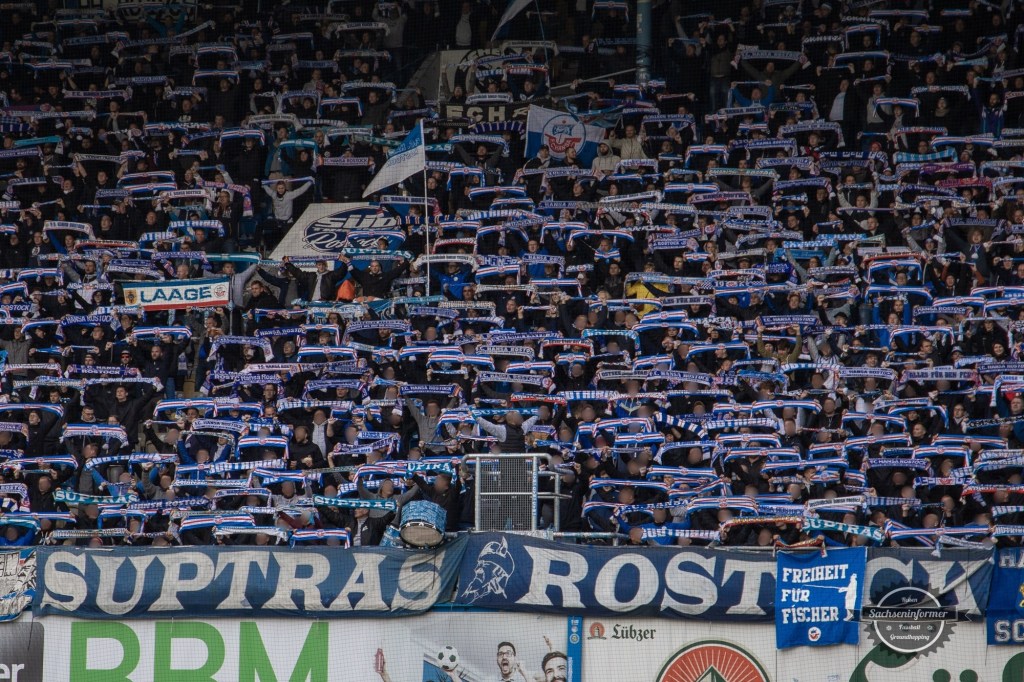
He achieved his greatest success at FC Magdeburg, scoring 171 goals in 237 games. The club released a statement paying tribute to Streich: “The club has lost one of its greatest shining lights.” Hansa Rostock held a minute’s silence before their game against Jahn Regensburg.
How it all began
Streich’s career began in Wismar, the city of his birth, with Aufbau Wismar before he moved to Hansa Rostock at the age of 16 in 1967. He almost had a career in the Wismar shipyards, having already abtained an apprenticeship contract, but football was his true calling. “I was a lad from the coast and playing for Hansa was my greatest dream,” said Streich. “I was so happy when I finally made it to the first team in 1969. I never thought I would go on to celebrate even more success.” He scored 58 goals in 141 appearances for Rostock, but his time at the club ended on a sour note when Rostock were relegated after Streich missed a penalty against Stralsund.
Success with Magdeburg
He wanted to join FC Carl Zeiss Jena, but the Football Association of the German Democratic Republic decreed that he had to sign for FC Magdeburg, which he did in 1975. He played for the club until 1985. He was top scorer in the Oberliga on four occasions and won the East German Cup three times with Magdeburg.
He was also voted East German footballer of the year twice and won a bronze medal at the 1972 Summer Olympics in Munich, scoring in the 3-2 win over West Germany.
Streich scored two goals at the 1974 World Cup, which was held in West Germany, but he was left on the bench for East Germany’s legendary 1-0 victory over the host nation.
Trainer Georg Buschner informed Streich that he would not be playing in the battle of the two German nations, which put paid to a meeting with Gerd Müller. “It was my fault,” said Streich. “My performances hadn’t been up to much.” He had begun the tournament suffering from a cold, which he kept secret from the trainer, so he could play the first group game against Australia.
After an international game against England, Streich swopped his shirt with an opponent, but instead of hanging the jersey in a frame he preferred to wear it when he painted his bungalow.
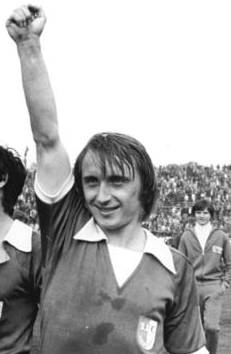
Despite his many trips abroad, he never considered leaving the GDR. “I didn’t have the guts and after marrying Marita and the birth of our daughter Nadine, leaving the German Democratic Republwas never a topic of discussion. I also really liked playing football in East Germany. But I believe, and the meetings with West German teams demonstrate this, that I would also have been successful in the Bundesliga.”
A career as trainer
When his playing career came to an end in 1985, he became manager of FC Magdeburg – once again against his will. Karl Zimmermann General Secretary of the East German Football Association insisted he take the job. “It was like a punch in the face,” he later revealed. He remained in the position until the end of the 1989/1990 season, but he was not able to recreate the success he had enjoyed with the club in the past.
After the fall of the wall in 1990, he trained Eintracht Braunschweig, becoming the first East German trainer to work in West Germany. But he was sacked after just nine months. Streich returned to Magdeburg and in 1997 he succeFSV Zwickau from relegation from the second division.
Until his retirement, Streich worked in a sports equipment store and in November 2021, he was initiated into the Hall of Fame of German football.
Illness
Streich’s health had deteriorated over the past year. He had myelodysplastic syndrome, a type of rare blood cancer, which caused anaemia. He told the German tabloid Bild that he always tried to remain positive and, despite the fact that he often felt exhausted, he managed to achieve his aim. He underwent blood transfusions in Magdeburg and a Leipzig specialist recommended a stem cell transplant. But he faced a setback in March 2022 when the procedure had to be cancelled. “Everything was prepared, I was already on the ward, but then I got pneumonia. I had to be discharged. That was a really difficult time for me.”
“He had been seriously ill for a long time. In the past few weeks, it had been up and down,” his wife Marita told the German Press Agency dpa.
© Andrew Lord 2022
 German Football